Introduction
Compressed air is often called the “fourth utility” in industrial plants — right after electricity, water, and gas. Yet it’s also one of the most overlooked systems when it comes to quality control. Raw compressed air straight from a compressor carries moisture, oil vapor, and particulate contamination that can damage pneumatic tools, corrode pipelines, and ruin end products in industries like pharma, food processing, and electronics.
For procurement managers evaluating a compressed air treatment system, the smartest approach isn’t buying components from multiple vendors — it’s sourcing a complete, engineered package from a single, reliable supplier where every stage is designed to work together. Aeroflon Engineers Pvt. Ltd. supplies complete, single-source compressed air treatment packages — from after coolers to dryers to filters — as an authorised supplier and channel partner of GEM Equipments Limited, backed by 30+ years of experience and an export presence across 14+ countries. This guide walks through each stage of a reliable compressed air treatment system, what to look for, and how to avoid costly sizing mistakes.
Confused About Which System Fits Your Plant?
Every plant’s CFM, pressure, and dew point requirements are different. Talk to Aeroflon’s team for a no-obligation assessment before you invest.
Why a Single-Source “System Approach” Beats Piecemeal Buying
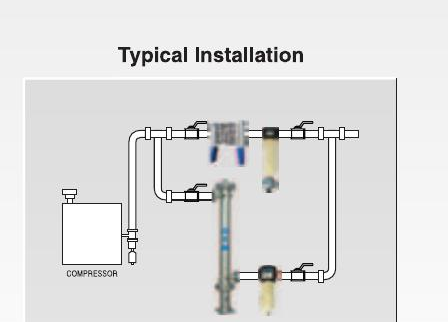
A typical compressed air treatment line follows this sequence: Compressor → After Cooler → Air Receiver → Dryer → Filters → Point of Use. Skipping or under-sizing even one stage compromises the entire chain — and sourcing each stage from a different vendor makes accountability difficult when something goes wrong. Aeroflon supplies the complete package as one coordinated system, so every component is sized to work with the next.
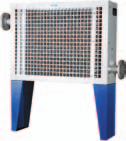
1. After Coolers — The First Line of Defense
Compressed air leaves the compressor at temperatures as high as 90–150°C. Before any drying or filtration can work effectively, this air needs to be cooled.
- Air Cooled After Coolers: 35–1500 CFM, compact copper-tube/aluminium-fin design, ideal where water isn’t easily available
- Water Cooled After Coolers: 50–1500 CFM, vertical or horizontal configurations, better for high-ambient-temperature plants
💡 Buyer’s tip: Undersized after coolers pass hot, moisture-laden air downstream, overloading your dryer and shortening its service life.
2. Compressed Air Dryers — Choosing Refrigerant vs. Heatless
This is where most procurement decisions get made — and where most mistakes happen.
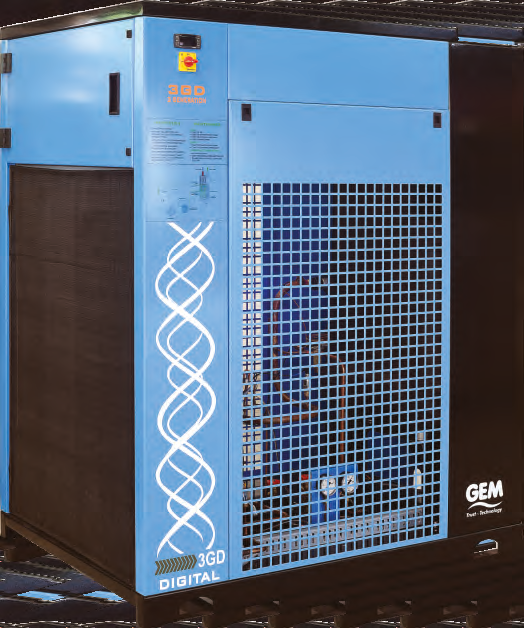
Refrigerant Type Dryers
Ideal for general industrial use where a pressure dew point of 2–7°C is acceptable. Aeroflon’s range covers:
- Wall-Mounted models: 20–60 CFM — space-constrained setups
- All-Aluminium models: 20–300 CFM — corrosion-free, value-for-money
- General Purpose models: 150–4000 CFM — heavy-duty workhorse
- Logic Controller (PLC) models: precision monitoring for critical plants
- Digital/VFD models: 750–3000 CFM — energy-saving for high-usage facilities
- Copper Coil models: 40–2500 CFM — available in water-cooled variant too
- High Pressure models: built for PET industry, works at 40–42 bar
- Dual Frequency (50/60 Hz) models: export-ready for international
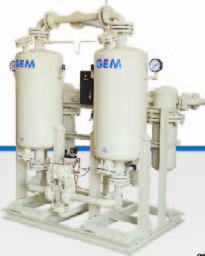
Heatless (Desiccant) Dryers
These are the choice when your process demands ultra-low dew points (down to -40°C or lower), such as in pharmaceuticals, instrumentation air, or export-grade manufacturing. Capacity range: 20–2000 CFM, working pressure 7–40 bar.
💡 Buyer’s tip: Don’t just match CFM — check your required pressure dew point. Paint spray or pneumatic tools can run on refrigerant dryers; pharma or electronics lines usually need desiccant drying.
Not Sure If Refrigerant or Desiccant Dryer Is Right for You?
This is the most common sizing mistake we see. Send Aeroflon your CFM, pressure, and industry requirement — we’ll recommend the right package, free of cost.
3. Compressed Air Filters — Protecting What’s Downstream
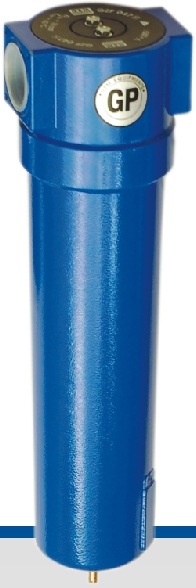
Even after cooling and drying, residual oil, dirt, and odour particles remain. Aeroflon’s filter range (35–1700 CFM, up to 16 bar) offers four filtration grades:
- GP – 3 micron particle removal
- ZP – 0.1 micron, oil removal to 0.1 mg/m³
- ZO – 0.01 micron, oil removal to 0.01 mg/m³
- ZC – 0.01 micron with activated carbon, oil removal to 0.005 mg/m³ (99.9999% efficiency)
💡 Buyer’s tip: ISO 8573-1 compliance isn’t optional anymore for export-oriented plants — check that your filter grade matches your end-use air quality standard
The Real Cost of Getting This Wrong
An undersized or mismatched compressed air treatment system doesn’t just underperform — it costs more over its lifetime through:
- Increased compressor load and energy consumption
- Frequent maintenance and component replacement
- Production downtime and rejected batches
- Corrosion damage to downstream piping and equipment
Why Source Your Complete Package from Aeroflon
- ISO 9001:2015 certified — 30+ years of experience in air compressor spare parts, PTFE products, compressor oils, and treatment systems
- Authorised supplier & channel partner: Aeroflon is an authorised supplier/channel partner of GEM Equipments Limited, an ISO 9001:2015 certified manufacturer with 40 years of experience in compressed air dryers, after coolers, and filters
- Complete system compatibility — after cooler, dryer, and filter supplied and sized as one unit, not separately
- Export presence across 14+ countries — experienced with international compliance and shipping requirements
- Single point of accountability — one supplier for the entire compressed air treatment chain, from consultation to after-sales support
- Ahmedabad-based, with a track record serving both domestic and merchant export buyers
Frequently Asked Questions
A: Pressure dew point is the temperature at which moisture in compressed air begins to condense. A lower dew point means drier air. Refrigerant dryers typically achieve 2–7°C, while desiccant dryers can reach as low as -40°C — critical for pharma, electronics, and export-grade applications.
A: Match the dryer and filter capacity to your compressor’s actual output (CFM), not just its rated capacity, and always allow a safety margin of 10–15% for future load or seasonal ambient variation.
A: Generally no. These industries usually require the ultra-low dew points that only heatless (desiccant) dryers can deliver consistently.
A: Filter elements are typically replaced based on differential pressure readings — most manufacturers recommend replacement once pressure drop crosses 0.7 bar g, or per warranty guidelines.
A: Air-cooled after coolers are compact and don’t need a water supply, making them ideal for portable or water-scarce setups. Water-cooled units handle higher inlet temperatures more efficiently and suit large, continuous-duty plants.
A: A single-source supplier like Aeroflon ensures every component — after cooler, dryer, and filter — is engineered to work together, with one point of contact for service, spares, and support instead of coordinating between multiple vendors.
Need a Complete, Single-Source Compressed Air Treatment Package?
Aeroflon's team can help you select the right combination of after coolers, dryers, and filters based on your exact CFM, pressure, and dew point requirements — backed by 30+ years of experience and export presence across 14+ countries.